

White glove delivery describes a handling level
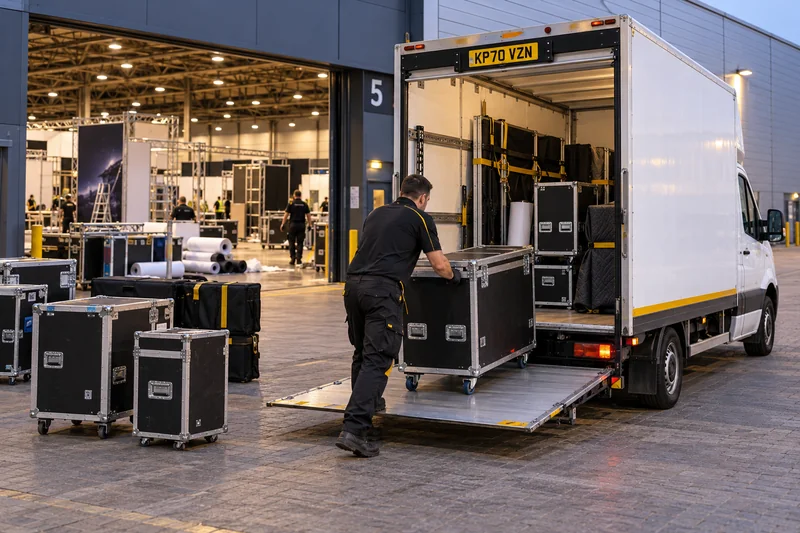
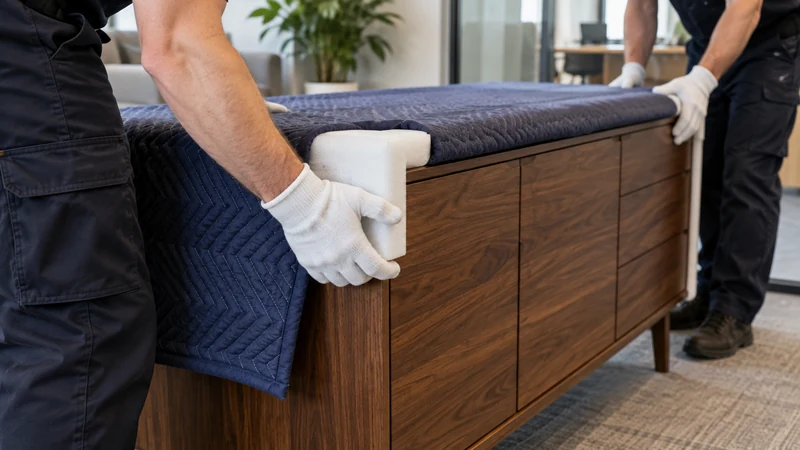
White glove delivery commonly refers to a more careful, assisted service for furniture, artwork, equipment or other goods that need attention beyond a standard handover. Depending on the agreed scope, it can involve a two-person crew, carrying to a specified place, protective handling or unpacking.
For protected artwork, antiques and crated objects, see our fine art and antiques courier service.
The term is used differently by different providers. It does not automatically include installation, disposal of packaging, electrical connections or moving existing furniture. Treat each task as something to confirm in the booking rather than an assumption attached to the label.
Separate the journey from the work at the destination
| Requirement | What needs agreeing |
|---|---|
| Direct transport | Vehicle, protection and route |
| Assisted carrying | Crew size, item weight and carry distance |
| Room placement | Destination room, doors, lifts and stairs |
| Unpacking | Which packaging is removed and who takes it away |
| Assembly or installation | Exact tasks, skills and responsibility; not assumed included |
RGP Trans can assess a two-person crew for suitable handling work. Tell us the complete requirement so we can confirm what can be provided. An enhanced delivery should have a clear scope before a crew arrives.
When the extra handling matters
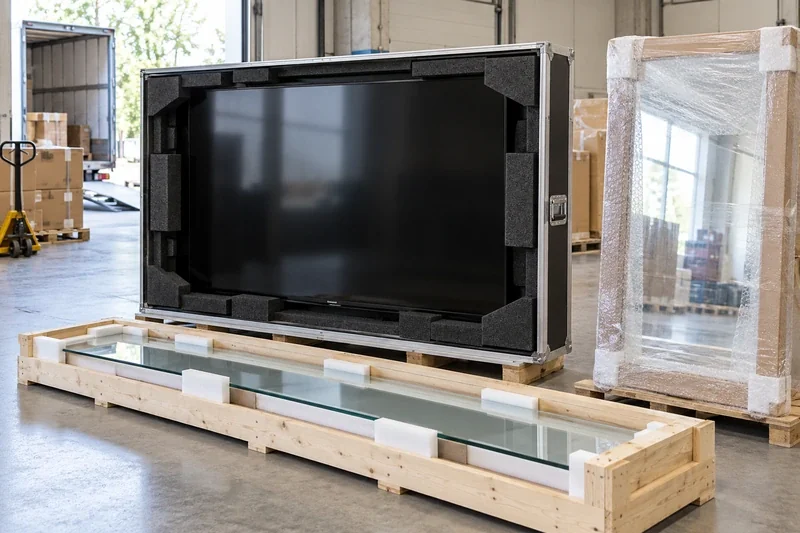
Enhanced handling can be useful for a protected sideboard, an awkward commercial display or an item being delivered to a finished office. The challenge may be the shape, delicacy or receiving environment rather than exceptional weight alone.
For example, a packaged display can fit in a van yet need two people to guide it through the receiving entrance. The packed dimensions, crew size and access need to be agreed together. Our large item courier guide helps you identify those requirements.
Check the route from the van to the receiving point
Measure the packed item and check the access route. Include stairs, lift dimensions, narrow doors and the distance from the parking space. Send photographs where the route is difficult to explain. Confirm that someone with authority to receive the goods will be present.
Protect the item appropriately before transport and declare fragile or high-value contents. The crew should know whether the goods must remain upright and where they may be placed. Relevant cover and any additional insurance requirements need to be checked before collection, not after a problem.
Get a quote for the agreed scope
The price depends on the vehicle, crew, journey, handling time and access. A clear description helps the team assess the work accurately. Avoid asking for 'white glove' without explaining the actual tasks the customer expects.
Request a tailored quote with photos and load details, and review the booking terms. For goods needed at a scheduled installation, share the receiving window; time critical transport may be relevant to the journey as well as the handling.
Write the receiving point into the enquiry: for example, a ground-floor reception handover or an agreed carry to a room. If you need packaging removed or an item assembled, describe that separately. The useful outcome is a confirmed scope that the sender, crew and recipient all understand.
Make the handling scope easy to check
Write down the tasks in plain language rather than relying only on the phrase white glove. Identify the receiving room, carry route, unpacking requirement and any placement instruction. Explain what the sender and recipient will provide, including access and lifting help. The crew size and time should follow the agreed work.
A finished cabinet delivered to reception has a different scope from one carried upstairs, unpacked and placed in a room. Neither description automatically includes assembly or connection. Confirm fragile surfaces, packaging and declared value before acceptance. If the planned route through the building is uncertain, resolve it with measurements and photographs before the crew arrives.
Your booking brief
Check the details you have ready. The team can help with anything still to confirm.
Common questions
Does white glove delivery always include assembly?
No. Assembly and installation must be specified and accepted separately; the term alone does not define the tasks included.
Is a two-person crew the same as white glove delivery?
A two-person crew describes the number of people. White glove describes a handling expectation. The actual tasks and receiving point still need to be agreed.
Can you remove packaging?
Tell the team what you need before booking. Packaging removal is not automatically included and must be confirmed as part of the scope.
Does this include a carry to any room?
No receiving point should be assumed. Describe the room and access route, including stairs, lifts and tight turns. The team assesses whether the requested carry can be provided and confirms the scope, crew and price before booking.
Who supplies protective packaging?
The item needs suitable protection for transport, with any packing help discussed in advance. Explain the existing packaging and delicate surfaces when enquiring. Crating, specialist packing and packaging removal are separate requirements to confirm rather than automatic features of a service name.
What if the item will not fit through the entrance?
Check packed dimensions against the access route before dispatch. If a problem is found, contact the team to reassess the handover. Do not assume the crew can dismantle the item, alter the property or perform an unagreed alternative carry.
RGP Trans provides dedicated courier transport across mainland UK. This guide helps you prepare an enquiry; the vehicle, timing, handling and price are confirmed for your booking. Speak to the team about your requirements.