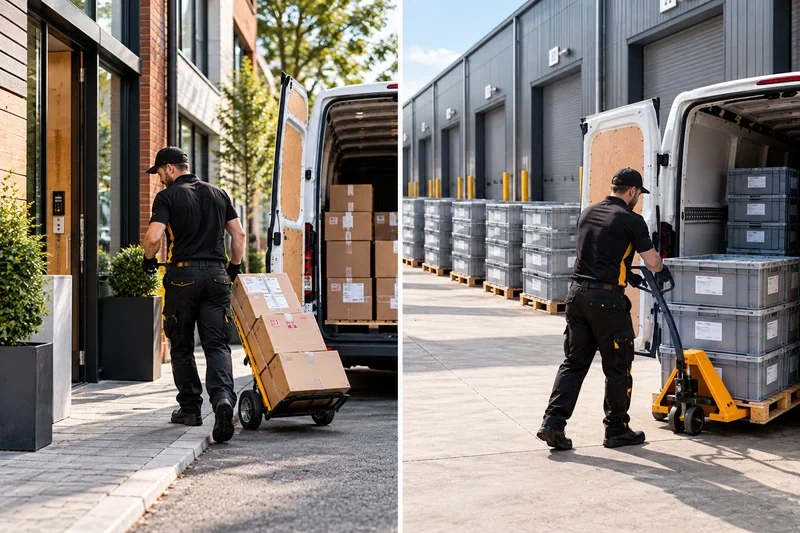

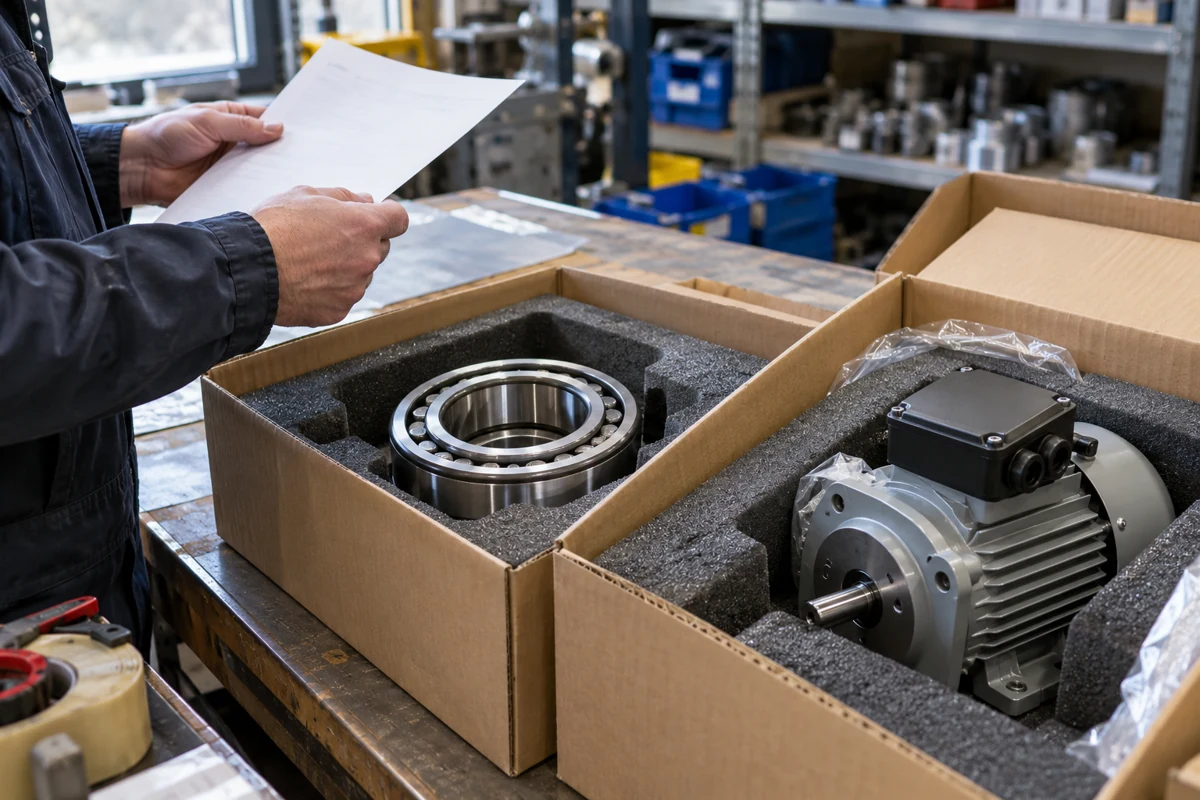
Identify the component and collection reference
Give the supplier name, order reference and contact who can release the goods. Confirm the part number with the engineer or purchasing team and explain how many packages will be collected. The courier can transport the consignment described; checking that a component is technically suitable for the machine remains with the parties selecting it.
Make sure the order is released and ready, not simply available somewhere in stock. If the supplier requires payment confirmation or collection authorisation, arrange that before the driver attends. Our manufacturing courier service covers the information used to assess the movement.
Use packed weight rather than visual estimates
Bearings, tooling and motors can be dense. Ask the supplier for the total weight including the pallet, crate or other packaging. Give the packed dimensions and mention projecting shafts, exposed surfaces or a requirement to remain upright. Send a photograph if the shape or loading method is difficult to describe.
A heavy motor may require mechanical handling even when it occupies little floor space. Confirm the loading equipment at both addresses and discuss suitable transport using the fleet guide. Declare oils, batteries or other contents that may need assessment before acceptance.
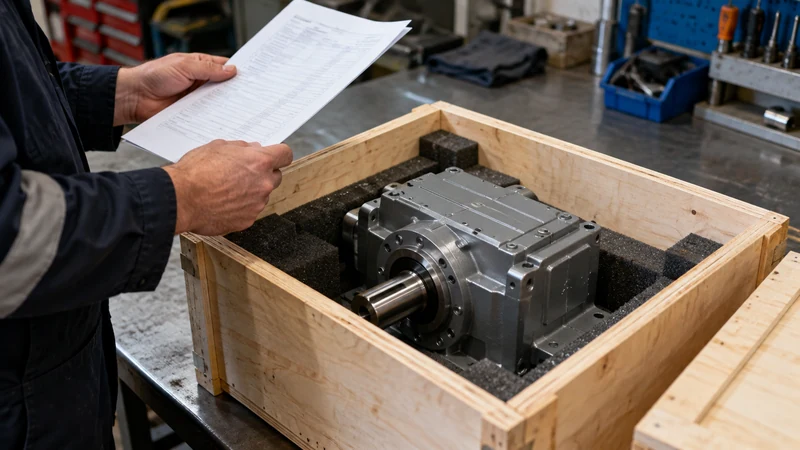
Give the engineer a workable arrival plan
Provide the earliest collection time and the final time the workshop can accept the part. A production shutdown may have its own receiving window, while goods-in closes earlier. Identify the person meeting the vehicle and supply the correct gate, bay or stores entrance rather than only the factory postcode.
For time critical delivery, vehicle availability, route and access are considered together. Keep the receiving contact reachable for updates. The arrival plan should relate to the confirmed dispatch-ready time, rather than an assumed journey beginning before the component is released.
Include returns and keep the delivery record
If a failed unit, reusable crate or other item must return, describe it at enquiry stage. Return loads may have different weights or contents from the outbound replacement. State whether a unit has been drained or prepared, and provide any relevant classification information; do not assume the return can be accepted on the same description.
Live tracking and electronic proof of delivery help the office match the movement to the order. Include purchase-order references and any agreed photographic record. Request a quote for the complete job, and read the pallet delivery guide if loading equipment is part of the plan.
Check the return unit as carefully as the replacement
A replacement motor may arrive in clean protective packaging while the failed unit is heavier, contains fluids or is packed differently. Describe the actual return condition and contents before it is accepted. Do not assume the outbound load description establishes the suitability of the return movement.
Give the receiving supplier's return reference and opening hours, and identify who will release the old unit. If it is not ready at the replacement delivery, explain the timing rather than assuming the driver can wait indefinitely. Keep the engineer, purchasing team and transport contact working from the same confirmed instructions so the quote covers the journey and handling actually required.
Your booking brief
Check the details you have ready. The team can help with anything still to confirm.
Common questions
Can you collect from an engineering supplier?
Give the order reference, release contact, ready time and packed load details so collection can be assessed.
Can a small part be too heavy for a small van?
Yes. Confirm the packed weight and loading requirements; size alone does not establish suitability.
Can a failed component travel back?
Describe the return contents, condition, weight and any relevant classification so acceptance can be confirmed.
Can you confirm that the replacement is the correct part?
The sender and engineering or purchasing team should confirm technical suitability and the part reference. The courier transports the consignment agreed for collection; it does not select the component or verify compatibility with the machine.
What if the supplier is still preparing the component?
Give the realistic release-ready time and tell the transport team if it changes. A part listed as available may still need picking, packing or authorisation. Collection and the receiving deadline need to be assessed against when it can actually leave.
Will the driver unload a heavy motor?
State the packed weight, dimensions and lifting equipment available at both ends. Do not assume manual unloading or installation. The team assesses a suitable vehicle and handling arrangement before confirming acceptance and the scope of the booking.
RGP Trans provides dedicated courier transport across mainland UK. This guide helps you prepare an enquiry; the vehicle, timing, handling and price are confirmed for your booking. Speak to the team about your requirements.