

Describe the missing materials precisely
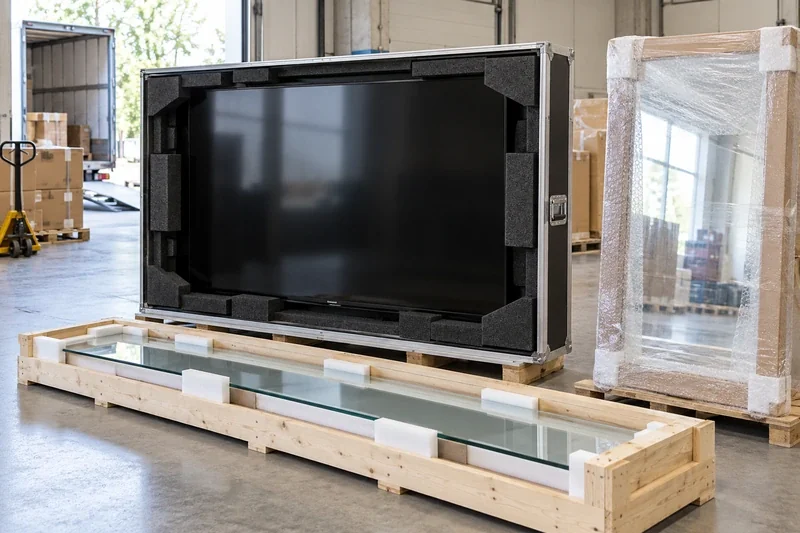
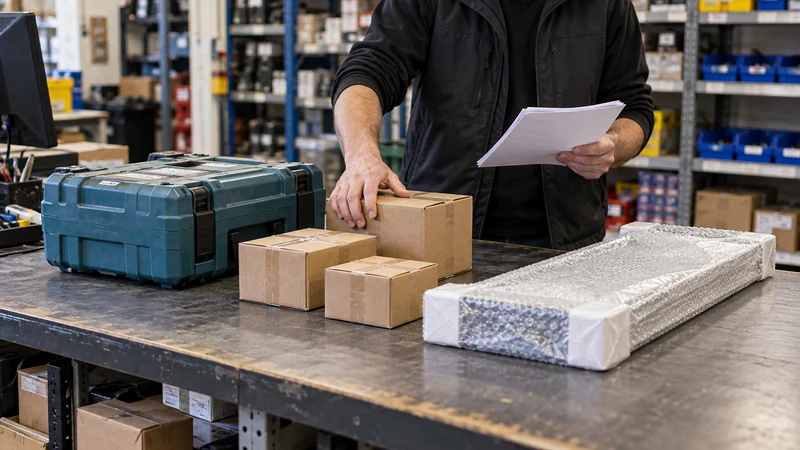
Construction consignments can include boxed fittings, replacement tools, sanitaryware, protected joinery components, cables or packaged materials. Give quantities, packed dimensions and total weight. Long lengths and dense loads need particular attention when selecting the vehicle.
For sanitaryware, fixtures and boxed trade supplies, see our construction courier service.
A few boxes can be heavier than a larger-looking load. Do not estimate the weight from volume alone. Use the fleet guide as a starting point and have the supplier confirm the actual consignment before transport is allocated.
Check that the supplier can hand the goods over
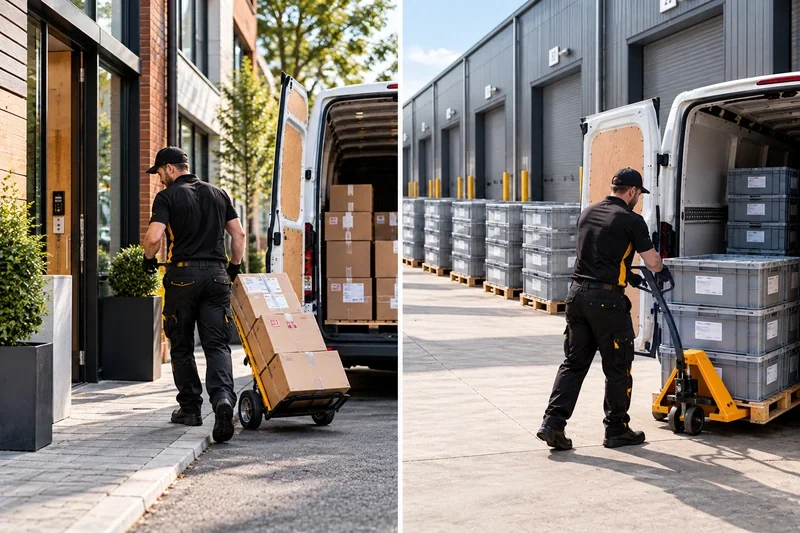
Make sure the order is paid or otherwise released, picked and ready. Supply the order reference, collection contact and any identification requirements. Confirm whether loading staff or a forklift are available and when the trade counter or warehouse closes.
If the goods are not ready, tell the courier rather than booking against an assumed collection time. A driver waiting at the supplier cannot recover that time at the site. For a palletised order, read our same day pallet delivery guide.
Send the actual site entrance and receiving contact
A construction site's postal address may not identify the delivery gate. Give the entrance, booking reference, access window and phone number of the person receiving the load. Include parking limits, vehicle restrictions and any induction or PPE instructions relevant to the handover.
Agree who will unload and what equipment is available. HSE's loading and unloading guidance stresses the need to exchange information and agree handling arrangements. The receiving plan should be settled before arrival.
A supplier postcode and a site postcode are useful for quoting, but a driver also needs the correct loading entrance. For example, a sanitaryware order may need a forklift at the trade warehouse and an agreed unloading area at the project. Make the receiving contact responsible for confirming that arrangement before the vehicle arrives.
Work backwards from the site deadline
Tell us when the materials must be received, not just that they are urgent. Include the supplier's ready time and the site's last unloading slot. The team can then assess the journey and confirm a realistic plan.
Time critical delivery can support a specific receiving window, while same day transport provides a dedicated direct journey. Traffic and access conditions still affect timing, so keep the site contact reachable for updates.
Declare restricted contents and price the full job
Paints, aerosols, adhesives, batteries and other products may have dangerous-goods requirements depending on their classification. Ask the supplier for the relevant details and safety data sheet rather than assuming builders' materials are unrestricted. Our dangerous goods service assesses suitable consignments before acceptance.
The quote reflects the route, load, timing, handling and any extra stops. If a return to the supplier is needed, include it at booking. For regular site supplies, scheduled runs may suit planned work better than repeated emergency collections.
Avoid a failed handover at the site
Ask the receiving supervisor to confirm the actual gate and unloading plan. The delivery point on an order may be a site office rather than a vehicle entrance. Explain any booking-in process and vehicle restriction, and identify who will be available until the load is accepted.
If the supplier is still picking the order, give the realistic release time instead of an assumed collection. Changes to readiness, loading assistance or the site window can affect the whole movement. For a replacement fixture needed by a fitter, confirm the correct item and complete package count with the supplier; transport cannot resolve an incorrect or incomplete order.
Your booking brief
Check the details you have ready. The team can help with anything still to confirm.
Common questions
Can you collect directly from a builders merchant?
Yes, where the goods are released and the supplier can hand them over. Provide the order reference, contact, ready time and load details.
Can you deliver long lengths or heavy materials?
Send packed dimensions and total weight for assessment. The vehicle must suit the actual load and the unloading arrangement.
Can you carry paints or adhesives?
These need classification details where dangerous-goods rules apply. Declare the products and provide the supplier's safety data before booking.
Will the driver unload materials at the workface?
Do not assume a carry through the site is included. Give the intended handover point and explain the access, load and assistance available. The team confirms the handling scope and any crew or equipment required before the movement is accepted.
What if the supplier has not released the order?
Resolve payment or authorisation with the supplier and confirm the goods-ready time. Tell the courier promptly if that time changes. A vehicle attending against an unreleased order can mean waiting or a changed plan; check the applicable quote and terms.
Can the delivery include a return to the merchant?
Describe the return items, condition and collection point when enquiring. Include any return reference or opening hours. A return is additional work to assess and is not automatically included in the price for the outbound site delivery.
Further reading
RGP Trans provides dedicated courier transport across mainland UK. This guide helps you prepare an enquiry; the vehicle, timing, handling and price are confirmed for your booking. Speak to the team about your requirements.